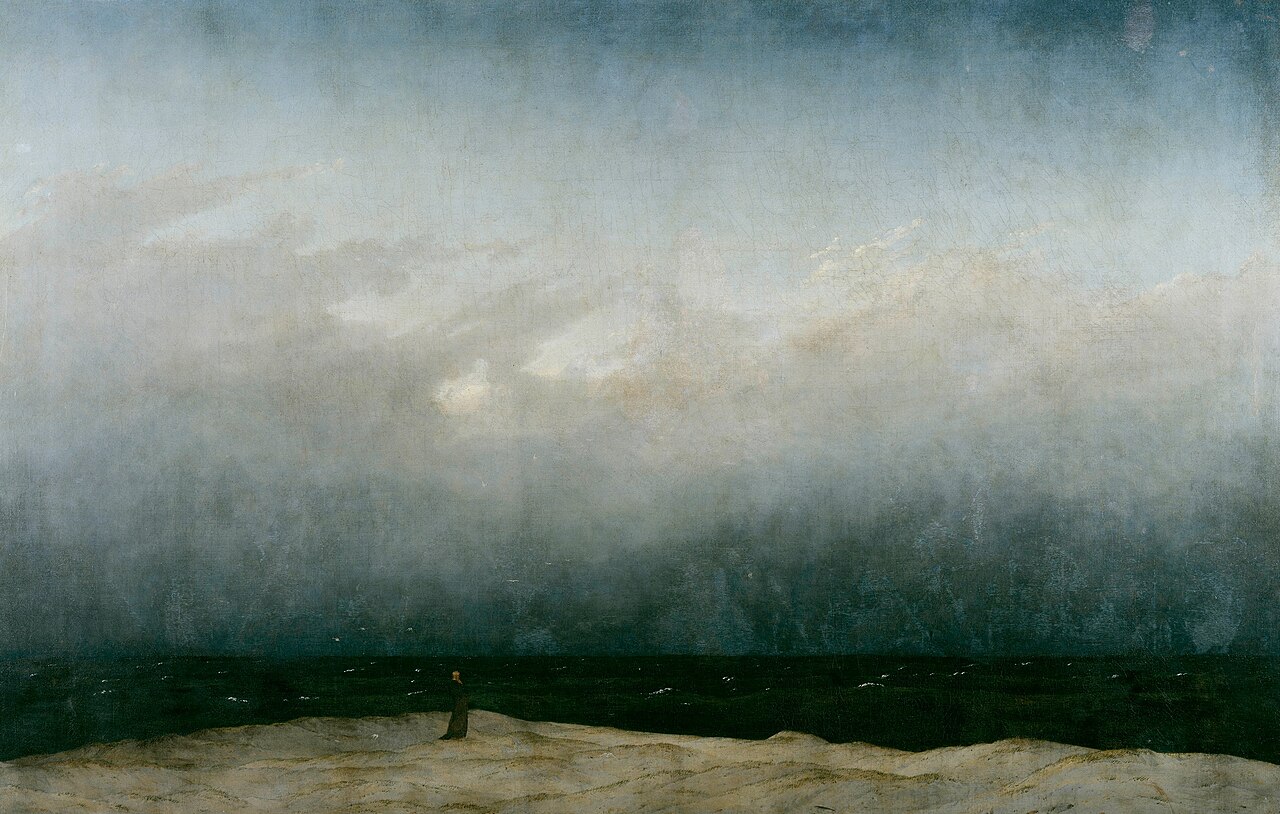
I have been reading Crime and Punishment by Fyodor Dostoyevsky over the past few weeks. More than a novel, it is a psychological journey. Dostoyevsky manages to place the reader inside the mind of a person enduring what seems like an endless internal conflict. Perhaps the greatest punishment we can receive is the one we impose upon ourselves, and Rodion Raskolnikov has done so in many ways.
I nonetheless have a peculiar way of approaching Dostoyevsky. While Raskolnikov lies in bed lamenting and suffering alone, I cannot help thinking about what else must be done. Suffering may reveal the conscience, but it does not necessarily repair the harm.
“Suffering and pain are always mandatory for broad minds and deep hearts. Truly great people, it seems to me, should feel great sadness on this earth.”
— Crime and Punishment by Fyodor Dostoyevsky
It is often stated as a fact that those who examine their lives deeply are the ones who live a life worth living. And it is often taken for granted that such examinations may indeed include suffering and pain of the highest level because it is self-inflicted more often than not.
The great sadness to which Dostoyevsky is referring is that sort of melancholy that comes from feeling alone in this world despite an acute awareness of its problems and difficulties, yet remaining trapped in a never-ending internal conflict of consciousness.
Yet we know from contemporary philosophy that the peasant who does not examine his life because he is too busy to ponder such matters lives a life that is worth living in its own way. No two lives are more valuable or worthy than the other. This is true in the deepest sense that life as we know it is meaningless, at least that is what the evidence points to. But we bring meaning through our actions and the effort we put into making things come into existence, whether that be our thoughts on a page or a ploughed field.
So whenever you feel like suffering for any wrongdoing you’ve done to others, or if I find myself in such a circumstance, acknowledging my suffering through my self-inflicted punishment may well be my conscience telling me that I am only human.