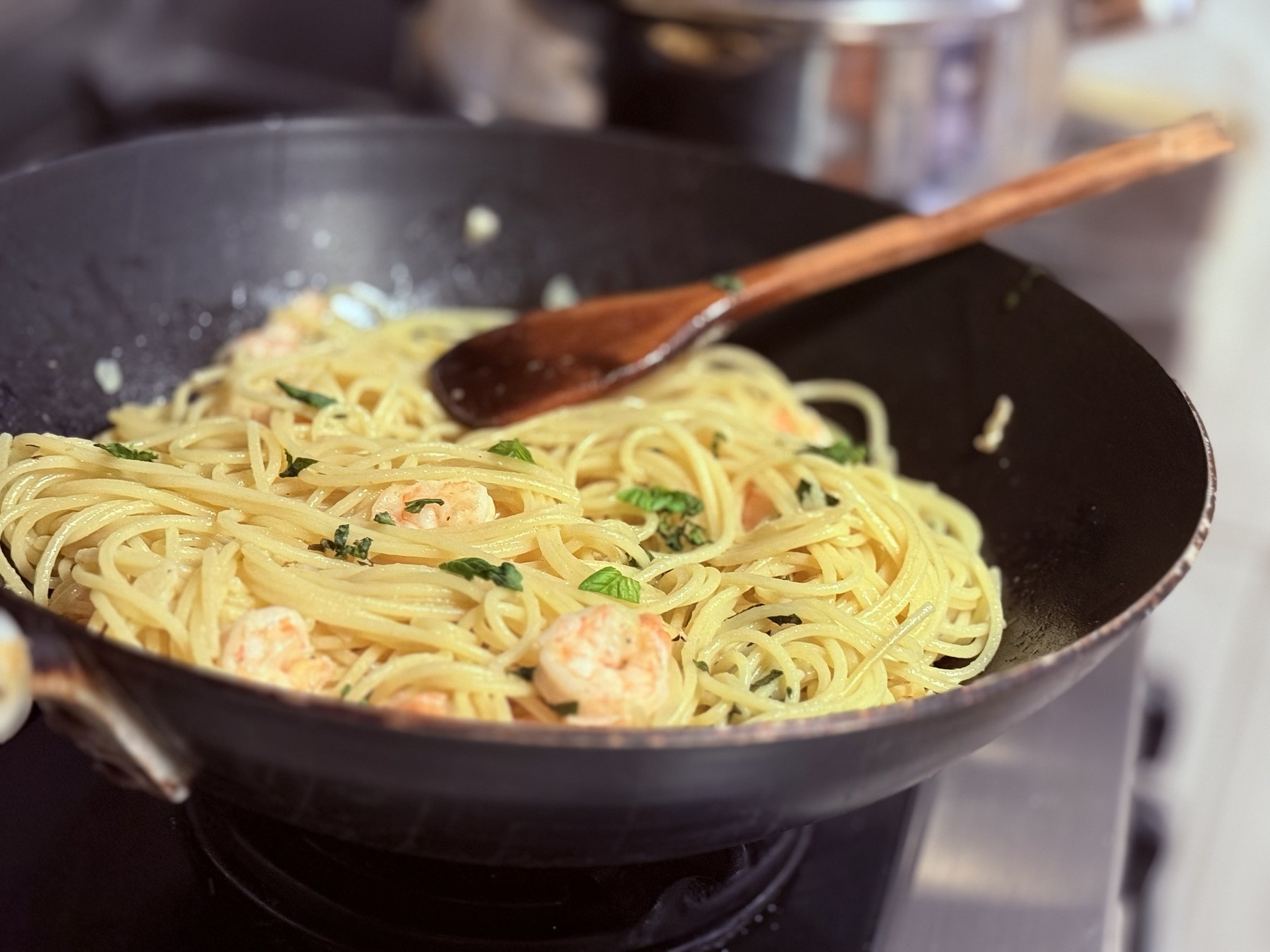
To acquire good taste seems effortless, yet many spend a lifetime eating overcooked pasta untroubled by it. We learn to cook by imitation, much as we learn to write. But how can we expect anyone to prepare spaghetti aglio e olio if they’ve never tasted anything but pasta from a jar?
Why is it that reading great literature changes our perception, our sense of what makes writing simple yet subtly beautiful? Consider Tolstoy, who writes in Anna Karenina:
“Konstantin Levin did not like talking and hearing about the beauty of nature. Words for him took away the beauty of what he saw.”
Good taste is often a curse of sorts. In Amadeus, Salieri rages at having enough talent to recognize genius, yet not enough to produce it. With good taste comes the ability to tell bitter from sour, and good from great. Yet we pursue beauty, delight in it, reach for it, and often find it hard to catch.