Essays and notes about academia, technology, writing, and life.
Good Taste
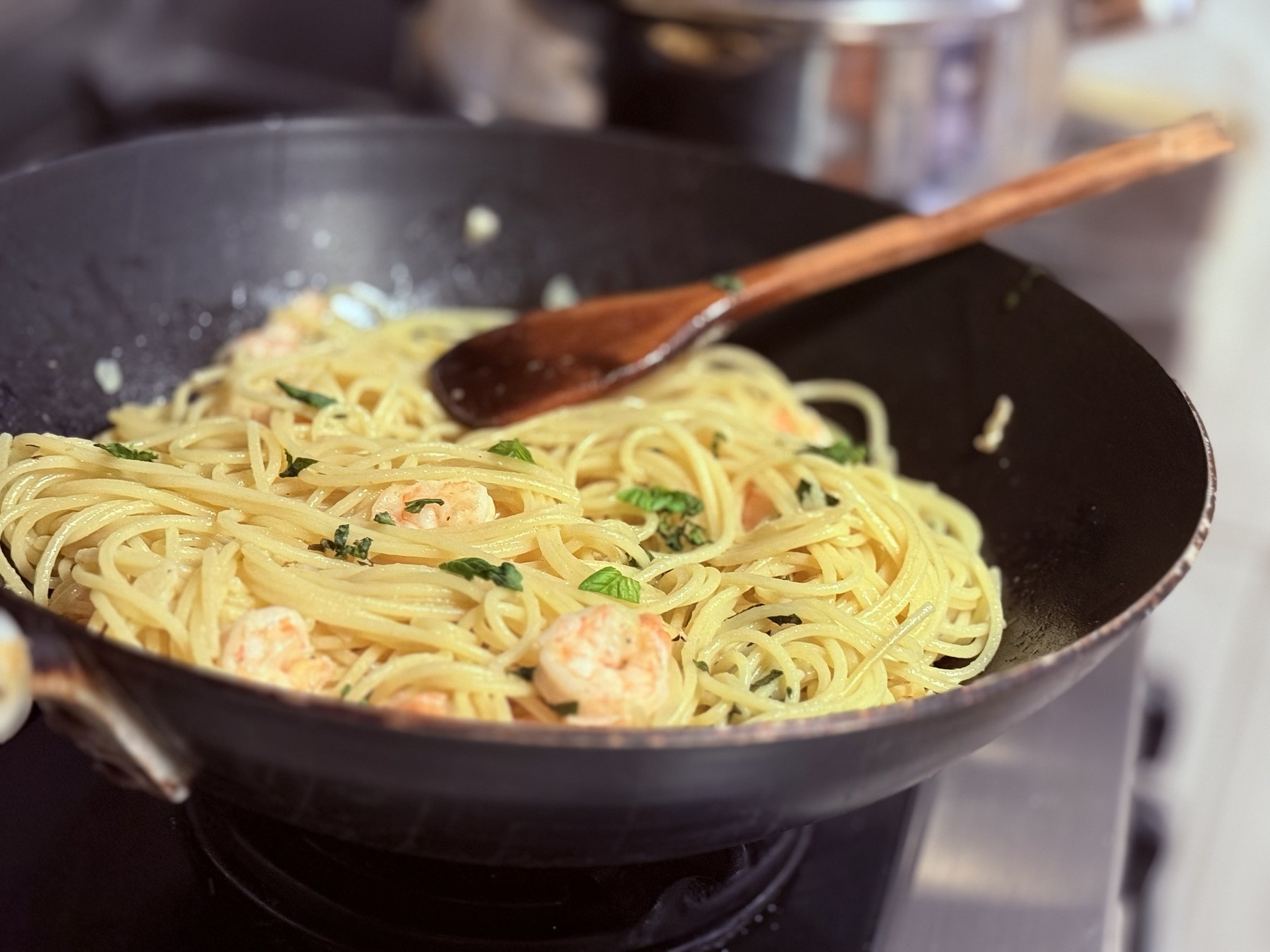
To acquire good taste seems effortless, yet many spend a lifetime eating overcooked pasta untroubled by it. We learn to cook by imitation, much as we learn to write. But how can we expect anyone to prepare spaghetti aglio e olio if they’ve never tasted anything but pasta from a jar? Why is it that reading great literature changes our perception, our sense of what makes writing simple yet subtly beautiful? Consider Tolstoy, who writes in Anna Karenina: ...
Encounters We Carry Within
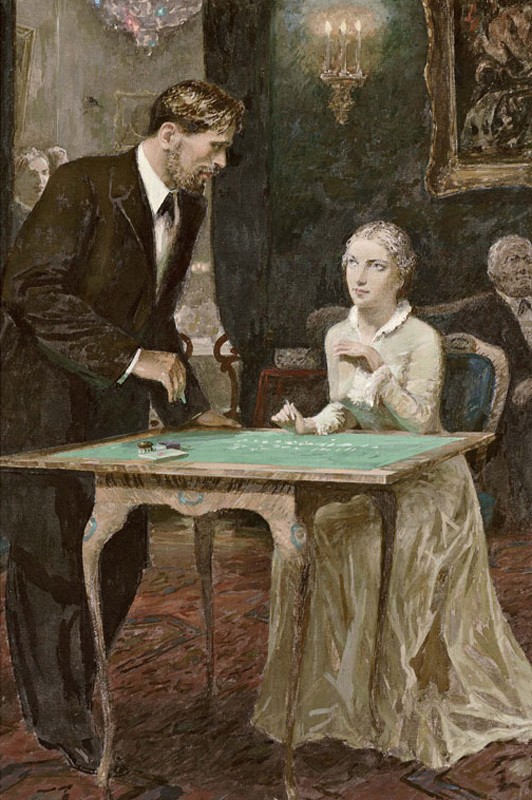
There are moments in novels that I remember less for what happened than for what passed between two characters. They stay with me long after other parts of the novel have faded; sometimes even after I have forgotten much of the plot. There is a scene in Anna Karenina I have carried with me for years. Nothing much happens. No one dies, no great confession is made. Two people sit at a table and trace a few letters in chalk. Levin and Kitty have already failed once at understanding each other. Between them now lies everything that has happened since: embarrassment, regret, pride, and all those things we don’t manage to say. ...
On Suffering
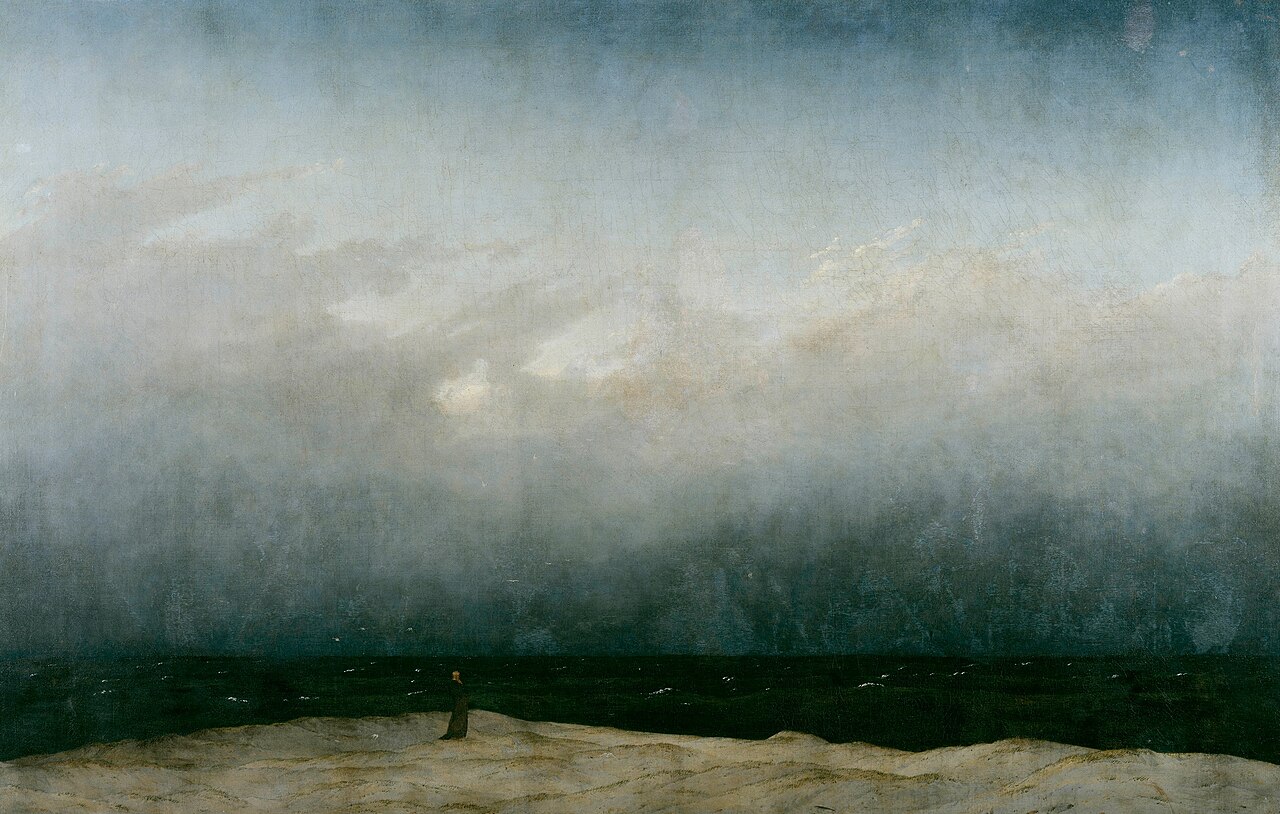
I have been reading Crime and Punishment by Fyodor Dostoyevsky over the past few weeks. More than a novel, it is a psychological journey. Dostoyevsky manages to place the reader inside the mind of a person enduring what seems like an endless internal conflict. Perhaps the greatest punishment we can receive is the one we impose upon ourselves, and Rodion Raskolnikov has done so in many ways. I nonetheless have a peculiar way of approaching Dostoyevsky. While Raskolnikov lies in bed lamenting and suffering alone, I cannot help thinking about what else must be done. Suffering may reveal the conscience, but it does not necessarily repair the harm. ...
Me and My Research
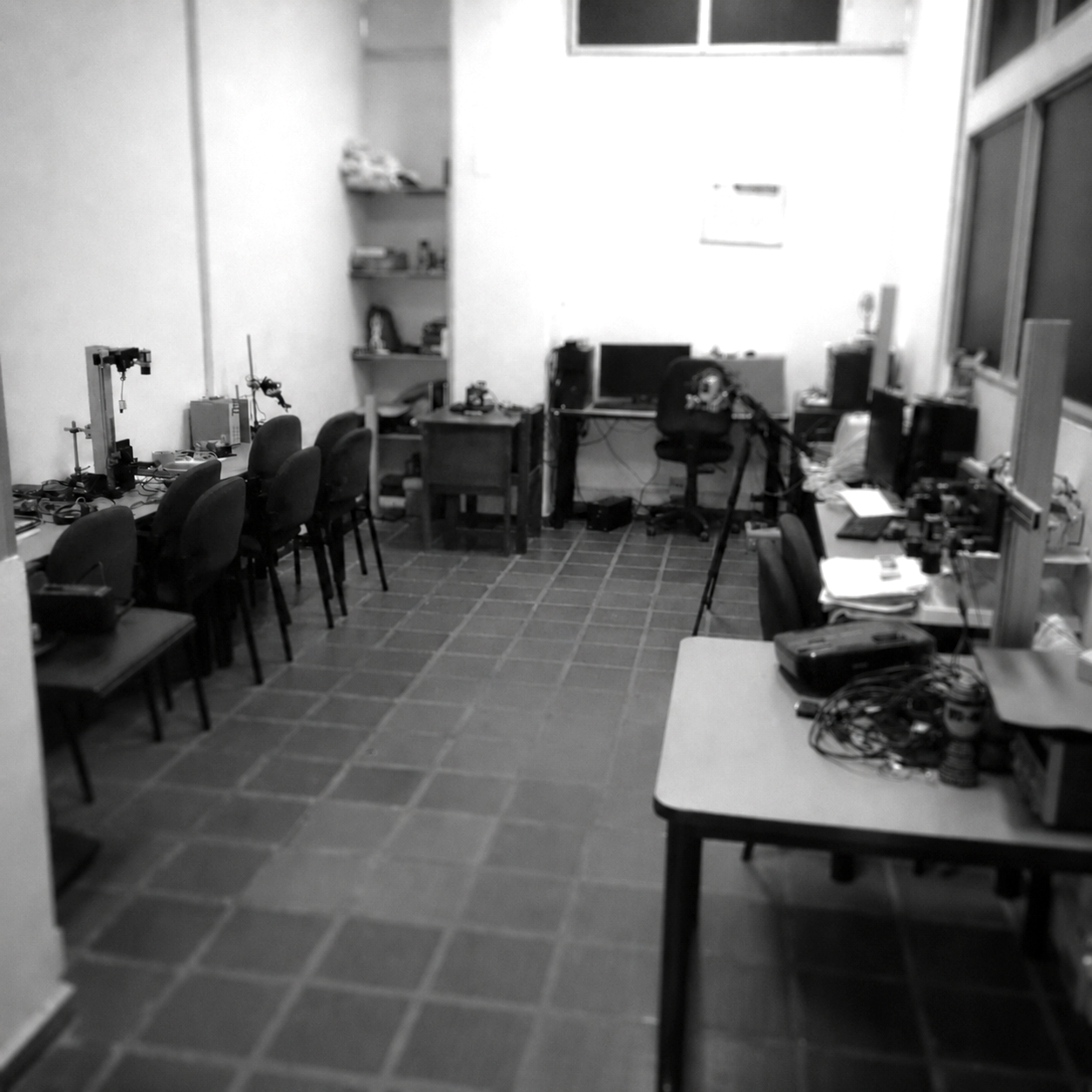
“Why aren’t you doing important work?” — Richard Hamming There is a quote by Søren Kierkegaard that goes something like this: life is understood backwards, but it must be lived forwards. I never fully decided to become a researcher, or an academic for that matter. It simply happened. Yet when I look back on what has now been most of my professional life, it is difficult to imagine things unfolding any other way. ...
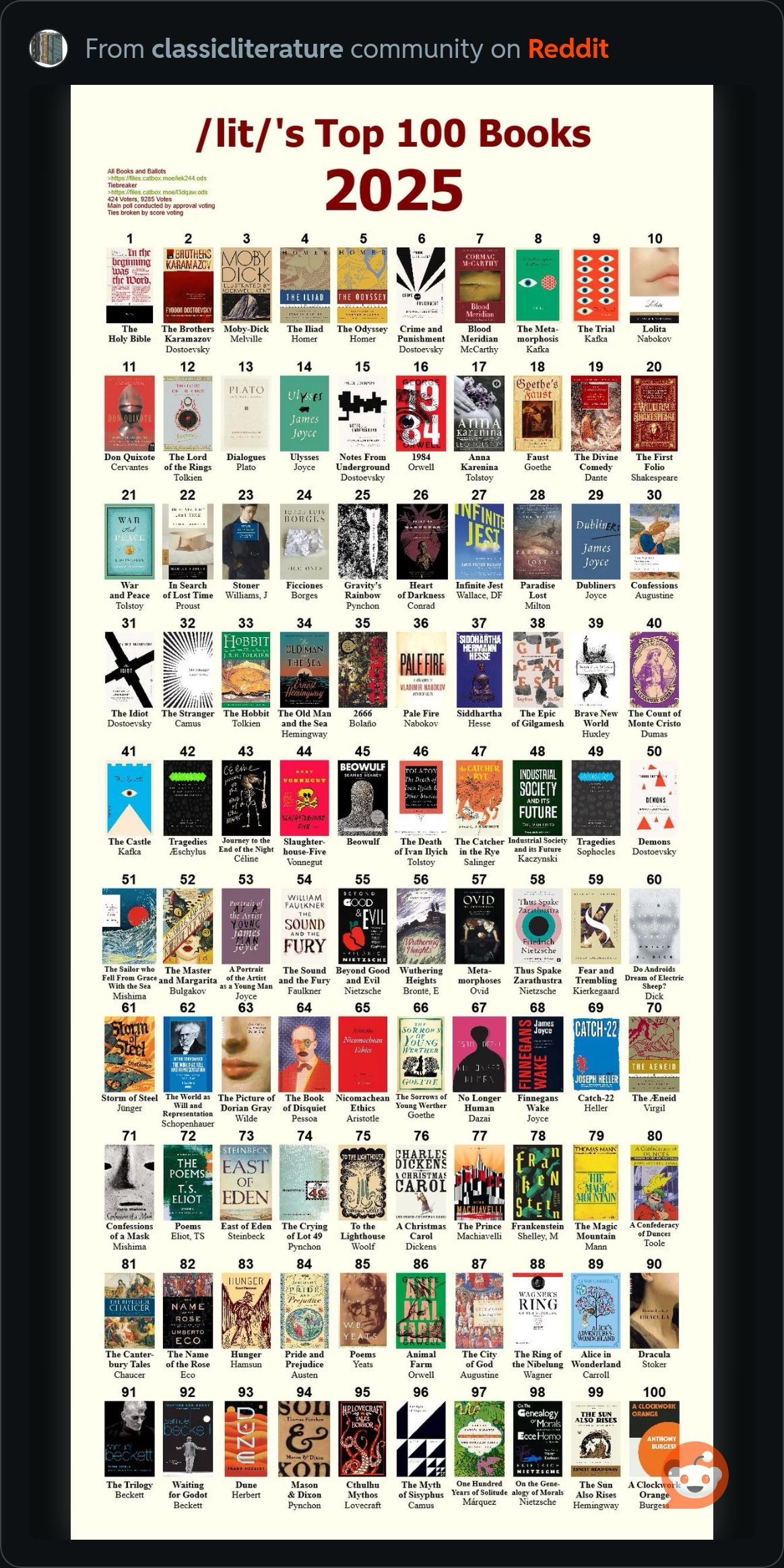
Something no list can rank
I came across the above image today. One of those neat, confident grids listing the “Top 100 novels.” A canon in miniature. Ambitious, serious, well argued. I recognized many of the spines. I have read several of them. Some are better than others. Some mattered deeply at one point in my life and then receded. Others I admire more than I love. Lists like that always tempt us to believe that reading is cumulative, that it works by completion, by coverage. As if one could finish literature. But novels do not really work that way. They are not milestones so much as encounters. And encounters depend on timing, on who one is, on what one is carrying at that moment. ...
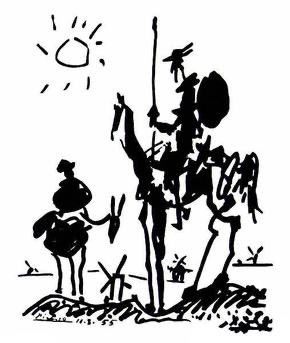
An archetype of human experience
I’m listening to The Rise of the Novel from The Great Courses—a fascinating journey through a genre we take for granted today, yet which wasn’t always part of our cultural landscape. Many scholars agree that the first true novel was Don Quixote by Miguel de Cervantes. I had known this for a while, but never really explored why—or what that meant at the time. In this course, professor Leo Damrosch, an expert in literature, guides us through these questions with a rare clarity. He reminds us to approach them from a distance, aware that we belong to a different culture and time. We inevitably bring our own lens to the discussion, yet must also imagine how the people of that era understood these issues. ...
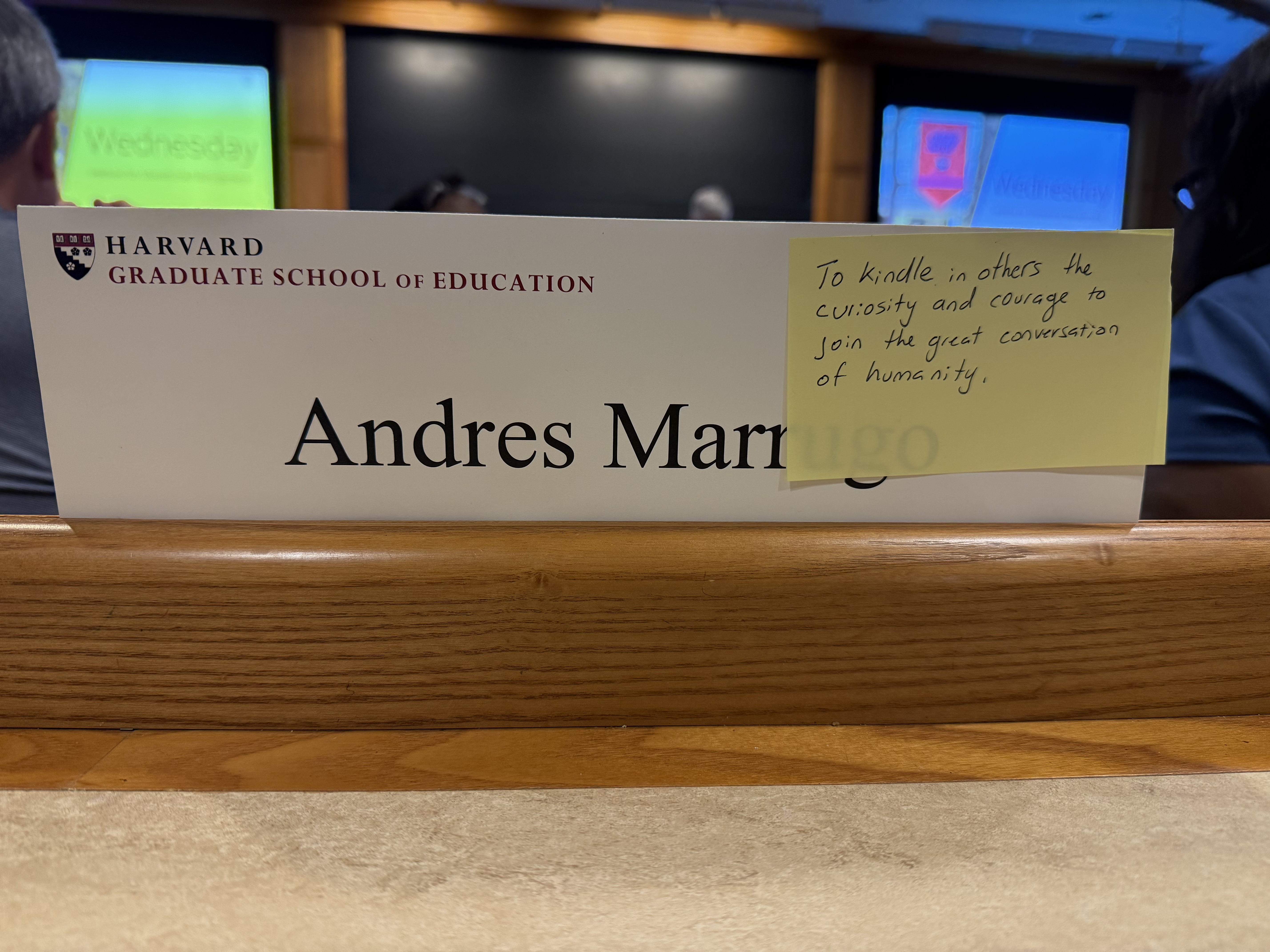
The purpose
The quest to find oneself—to find that which moves you, that which makes you you and not anyone else—is, in a way, the shape of one’s true purpose. Often, it is also that which you must keep explaining, because you simply can’t help it. It insists on being. Over the course of an intense and immersive week at that old lighthouse of minds—where history hums through hallways and questions hang heavier than answers—we, as a cohort, but I especially, revisited the thread of purpose. Mine, it turns out, has always been quietly there: to invite others to join the great conversation. ...
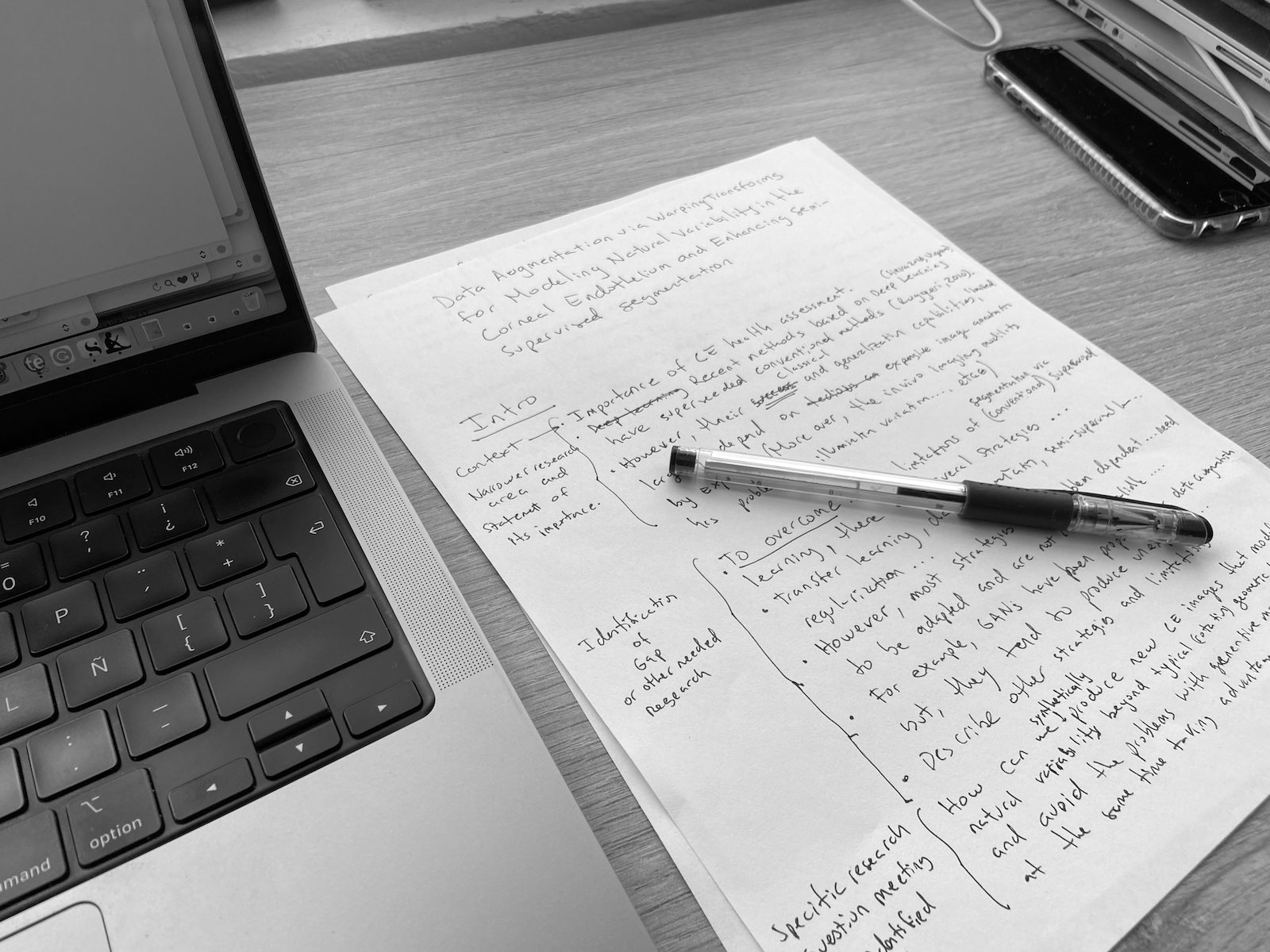
Where Thought Begins
I teach a course on scientific writing for graduate students—an endeavor that, at first glance, might seem quaint in an age where artificial intelligence drafts emails, summarizes research, and even suggests titles more clever than our own. But far from feeling obsolete, I find it thrilling. Because what I teach is not just how to write. It is how to think. And thinking, as it turns out, begins in the hand. ...
Why reading fiction is different
There is something to be said about reading fiction—it is fundamentally different from watching TV, movies, Netflix, or scrolling through Twitter and TikTok. When you read, your mind has to make a leap. You convert words—abstract symbols—into images, sensations, and meaning. It is one of the most complex mental operations we’re capable of, and it doesn’t happen passively. You have to train for it. Reading fiction, especially the literary kind, is not effortless consumption; it is deliberate imagination.1 ...
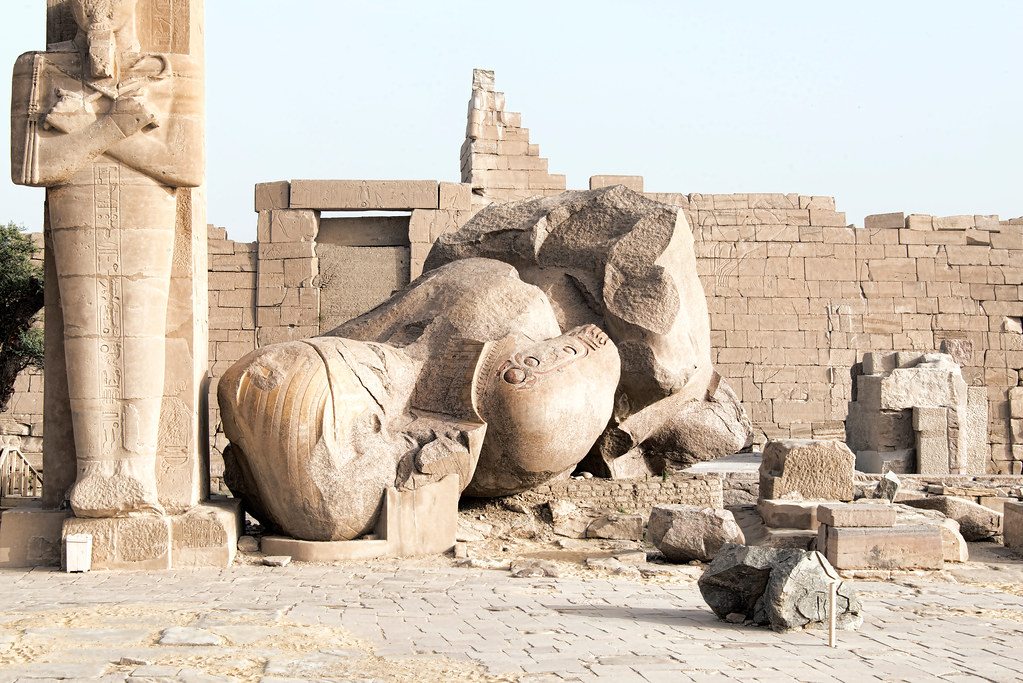
Nothing Besides Remains
As I was scrolling through twitter, I happened to come across this beautiful thread that spoke of the lessons learned by a researcher while contemplating his research in the grand scheme of things. Though he was passionate about his research and the questions he was trying to answer, there would come a time when future researchers - with the advantage of hindsight - would contemplate his work as obsolete and irrelevant. But the truth is that we all have to come to terms with this situation. ...